AI and Translation: What Clients Need to Know

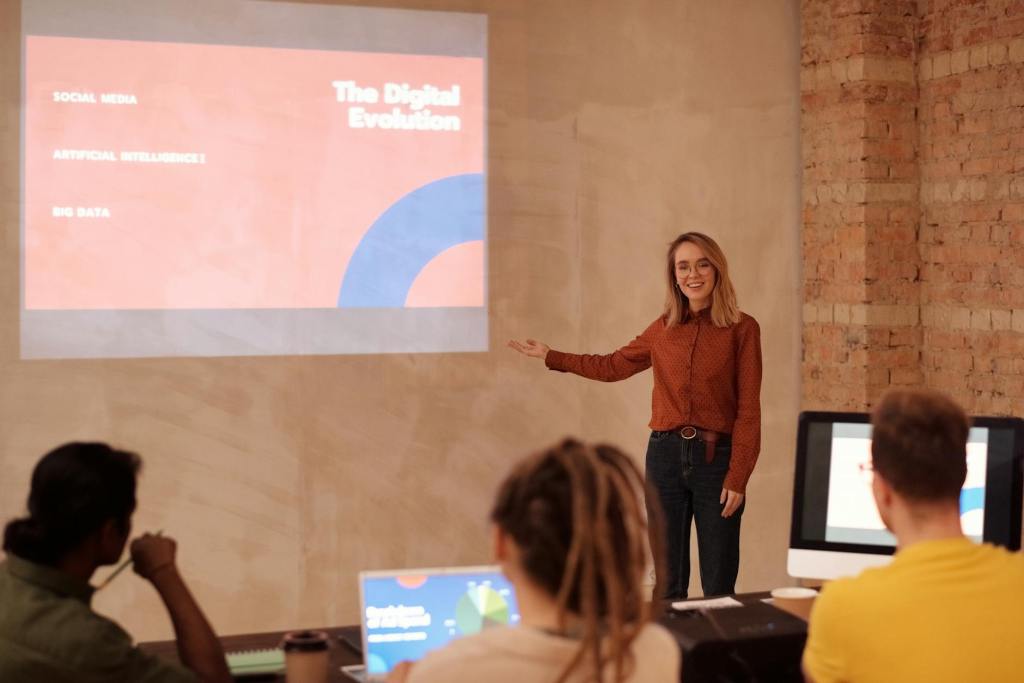
Artificial intelligence has transformed the way we talk about language and translation. In recent years, we’ve seen an explosion of tools that can produce passable translations at remarkable speed. The conversation around this technology, however, is often polarized.

On one side, the general public and many clients sometimes overestimate AI’s capabilities, assuming it can replace professional translators entirely. On the other side, many translators react defensively, focusing only on AI’s flaws while downplaying its strengths.

As we continue to transition into this new era of AI ubiquity, it’s important to communicate with our clients about the advantages and limitations of these evolving technologies, explain our role as language service providers, and guide them in making the right decisions about which types and tiers of service they require.

What AI Can Do Well

AI tools are undeniably fast and efficient, and for certain types of projects they can be a useful starting point. Drafting a rough version of a straightforward text, processing very large volumes where speed is the priority, or suggesting alternative phrasings during the creative process are all tasks where AI can provide genuine value. Used wisely, these systems can save time and reduce costs. But relying on them without human oversight is risky, particularly in contexts where nuance, accuracy, or brand voice are essential.

Where AI Falls Short

Despite their impressive output, AI systems are prone to errors that can have real consequences for clients. They can introduce factual mistakes, invent details, or mistranslate critical information. They often lack consistency, switching terminology or style mid-text. They flatten or misinterpret tone of voice, which is especially damaging for luxury, cultural, or high-profile communications. Even at the level of mechanics, they frequently mishandle punctuation, formatting, and stylistic conventions across different markets. These are not small issues: in publishing, branding, or client-facing communications, such flaws can undermine credibility and compromise a brand’s image.

The Human Role

What sets professional linguists apart is that our work goes beyond “fixing” machine output. We read the source and target texts with equal care, making sure nothing is distorted, omitted, or invented. We rework phrasing to capture nuance and tone of voice, align the style with brand priorities, and ensure consistency across terminology, formatting, and punctuation. Where AI tends to flatten or generalize, we bring back rhythm, precision, and credibility.

Equally important, we guide clients in understanding how AI fits into the process. That means showing where it can genuinely help, and where its flaws make human intervention non-negotiable. It means using AI responsibly—prompting it effectively, reviewing its output critically, and protecting confidentiality at every stage. In this way, we don’t just deliver translations; we deliver texts that are accurate, polished, and aligned with both the client’s message and their audience’s expectations.

Final Thought

AI may be fast and impressive, but it cannot replace the judgment, sensitivity, and cultural insight of a professional. The real value lies in combining technological efficiency with human expertise, so that every text remains accurate, elegant, and fully aligned with a brand’s identity.

Des formations sur mesure, adaptées à vos besoins

Formation en petit groupe pour équipes du luxe

Excellence en anglais pour une expérience client inoubliable.

Préparation au TOEIC

Atteignez votre objectif TOEIC et certifiez votre niveau d’anglais.

Coaching individuel en anglais pour cadres dirigeants (+ TOEIC)

Speaking the Language of Luxury

In luxury, every word matters. Carefully crafted language can evoke desire, express heritage, and create an emotional bond with a client, but translation missteps—the wrong tone of voice or lexical choice—can disrupt the delicate image a brand has built over decades.

Translating for luxury isn’t just about converting words, it’s about capturing a brand’s essence and expressing it authentically in another language.

Brand Immersion

To write for a luxury brand, it’s important to understand its universe. That means going beyond style guides to explore the brand’s heritage and milestones, learn the language of craftsmanship, and observe how the brand presents itself.

Over the years, I’ve deepened this understanding by visiting various client headquarters, exploring museums and archives, and studying the vision of successive creative directors. These first-hand experiences allow me to translate with insight and precision and guide my team to find the brand’s voice.

Listening and Training

Listening is at the heart of this work. By tuning in to how designers, marketers, and creatives talk about their work, I capture not only what the brand says, but how it says it—and how that language expresses priorities and vision. This knowledge gets passed on through training sessions on brand terminology, careful review and feedback on projects, and ongoing adaptation as collections and campaigns evolve. This ensures every translation is consistent, authentic, and aligned with the brand’s identity.

Language as Craftsmanship

The same care that goes into creating a luxury piece should be reflected in the words that bring it to life. Through immersion, listening, and guidance, I ensure that when a brand speaks another language, it still sounds like itself: elegant, precise, and unmistakably true to its essence.

Language Coaching in the Luxury Industry: Behind the Scenes

Working with international luxury houses is about much more than fashion or retail. It’s about storytelling, cultural nuance, and delivering a seamless experience to clients who expect the highest standards. And language plays a central role in that experience.

Over the past years, I’ve had the privilege of collaborating with leading global brands in the luxury sector. My role goes far beyond simple translation: I act as a language coach and communication partner, ensuring that every English interaction reflects the brand’s values and excellence.

What does that look like in practice?

  • Precision in Style and Vocabulary
    Luxury communication requires a delicate balance: descriptive but never overdone, evocative yet concise. I work with teams to refine product descriptions, marketing content, and internal communications so that English texts feel as polished as their French originals.
  • Executive Coaching
    Senior professionals often need to present ideas, negotiate, or host events in English. I provide bespoke coaching sessions to prepare them for high-stakes situations—whether that means rehearsing a keynote presentation, refining answers for international press interviews, or simulating client meetings.
  • Integrated Support
    Sometimes my role includes adapting a PowerPoint presentation into English and then coaching the presenter on delivery. This integrated approach ensures not only that the message is correct, but also that it is delivered with confidence and clarity.
  • Team Training
    In hospitality and retail, English is the bridge between staff and international clients. I design small-group workshops that focus on client-facing communication, helping teams use English naturally, with the grace and precision expected in luxury service.

Why it matters

For international brands, English is not just a tool—it’s often the pivot language that connects teams, markets, and clients worldwide. When the English is off-brand, the message is diluted. But when it’s carefully managed, it enhances the global prestige of the house.

How I can help you

If you’re a professional or company working in high-end sectors—whether in fashion, culture, hospitality, or beyond—I can help you:

  • Deliver presentations that resonate with international audiences.
  • Strengthen your professional English in meetings, negotiations, and correspondence.
  • Support your teams in offering fluent, client-focused service in English.
  • Ensure that your communication reflects the same standard of excellence that defines your brand

Translating Bids for the European Capital of Culture

My city, Marseille, was the European Capital of Culture in 2013. It’s one of the first things locals spoke of when I came house hunting ahead of a move south in 2016: ECoC had transformed neighborhoods, revitalized heritage sites like the iconic Vieux Port, spurred cool initiatives like the GR2013 (a hiking trail linking urban and natural spaces), and funded the first national museum outside of Paris–the MuCEM. So, when an offer came to work with a team of translators on proposals for the 2028 European Capital of Culture, I didn’t hesitate.

I had the opportunity to work on two ECoC bids, at different phases of the bid process and with two separate teams. Each bid was unique, reflecting the singular character of the cities vying for the title and the visions of the program designers. But the parameters of the selection process and the European Commission’s vernacular also afforded a certain familiarity to the task the second time around.

Challenges for these projects included:

–> Time

Our teams faced extremely tight, hard deadlines and evolving source texts as the bid teams made updates to the French document right up to the last minute. Time was the reason behind dividing up the work among three linguists, since the volume of work was simply too large for a single translator to handle. We also streamlined communications with the bid team by creating a Google Docs query sheet and WhatsApp group for on-call requests.

–>Multi-handed translation

To meet the time constraints, we worked as a team of two translators and one reviewer, with one translator (me on project two) acting as the project lead to interface with the client. Maintaining consistent language and tone of voice are key challenges on group translations. We had two initial calls–one with the client and one internal team call–to set out some basic guidelines and align on client expectations as well as lexical preferences. We also worked in a Computer Assisted Translation tool with an editable glossary and constantly updating Translation Memory. This allowed us to gain maximum consistency as we worked, but of course the final review was critical to harmonize key terms and style preferences, as well as to ensure the client guidelines had been respected throughout.

–>Client interfacing

These translations were done within an agency, where typically the Project Manager handles the bulk of client interactions. Our team was well supported by the PM, but the specifics of these projects–time crunch, evolving source text, very hands-on clients–meant more direct contact between the linguists and the bid writers. I was designated as the project lead on the second bid, which meant acting as the face of our team for the client, responding in real-time to updates and queries, and keeping our team informed of actionable client communications. I participated in several calls throughout the process to explain translation choices, better discern client expectations, and manage last-minute requests.

–>Translating for non-native speakers

The jury reading ECoC bids is composed of European readers for whom English is not likely their mother tongue. The language required is therefore not necessarily the most idiomatic or ‘native’ English. Instead, the focus is on creating clear, direct phrasing. With French as the source text, this involved simplifying syntax and breaking apart intricate sentences, but without losing any of the content or intention.

–>Research

Cultural projects are typically research intensive, involving searches for standard translations of organizations, works of art, and so forth, as well as contextual deep dives into artistic movements and cultural figures. ECoC bids, which tend to include an overview of a city’s cultural and historical heritage as well innovative initiatives by established and emerging contemporary artists for the ECoC year, are particularly research heavy. Again, the time constraints on these projects added significant pressure since research is always time consuming. We reduced some research time by pooling knowledge in a Google Sheet shared with our language team and targeted client querying.

As deserving as they were, our ECoC bid cities did not win the title, but I’m thrilled to learn that Bourges–the Territory of the Future–will be the 2028 European Capital of Culture for France, and I’m excited to see how the organizers will showcase the city and its cultural offering.

Translating Terrestrial Cities

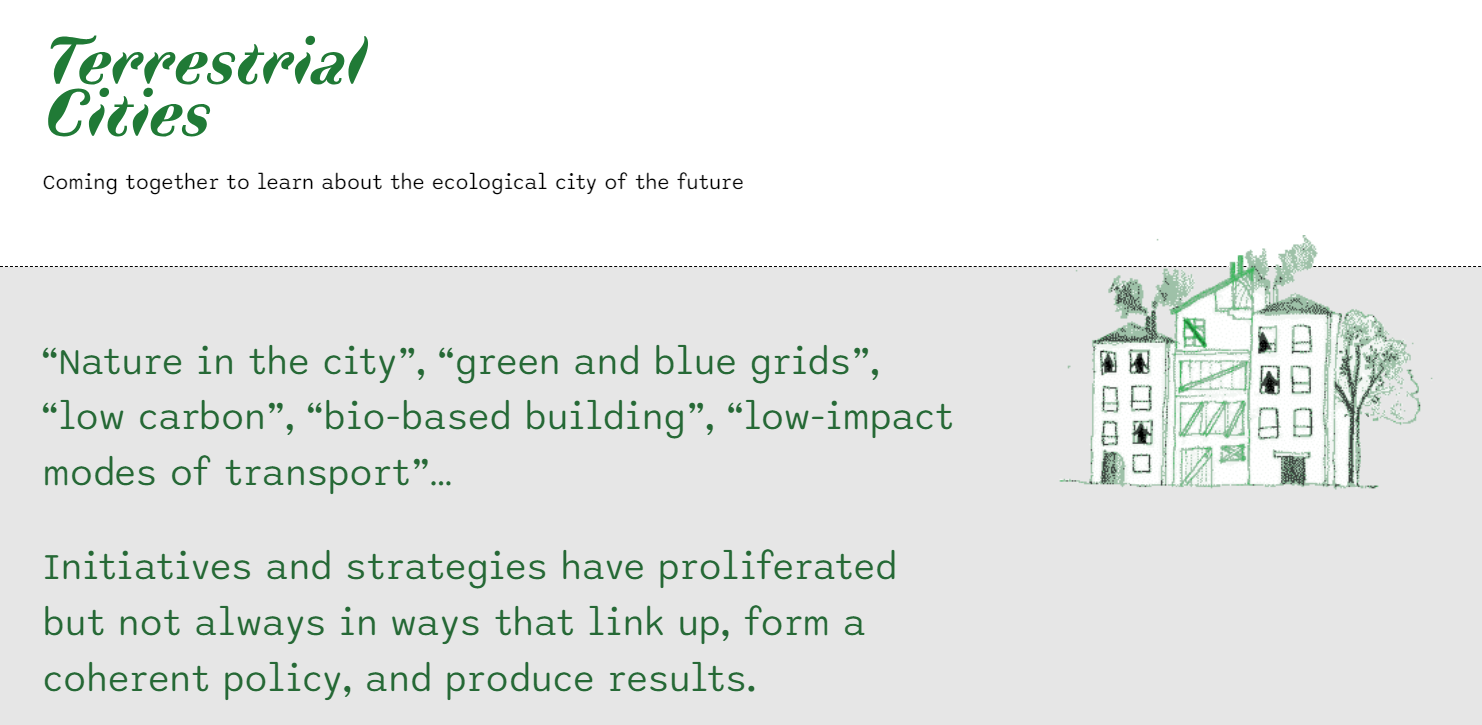
Terrestrial Cities is an initiative aimed at giving urban decisionmakers and city dwellers the tools to create environmentally harmonious and sustainable urban spaces, distinguish between truly transformative policy ideas and greenwashing, and — no small feat — save the world, one city at a time, from an ecological doomsday. To do this, the minds behind Terrestrial Cities have developed an interactive card game to be played between four+ people and one facilitator.

The job here was to translate the website, card game, rules, and facilitator handbook from French to English.

Challenges and particularities of the job included:

–> Researching environmental terminology and movements

–> Hunting down quotations that had been translated into French from English sources.

This can be a time-consuming process, especially for out-of-print resources. A particular challenge was finding quotes from Ivan Illich, who wrote and published works in multiple languages, with variations in each language. Resources were found through extensive Google searches, Scribd, e-books, client queries–and after poring over texts to find the exact citation (the Find feature is helpful here, though not always).

–> Some source formatting inconsistencies

This is a common issue, particularly for texts that are written over time by many authors, as was the case here. Good practice is to flag source formatting inconsistencies in the query process with the client. It helps the client improve their materials, and ensures the translator is following the ideal formatting consistently in the translation.

–> Not falling down interesting rabbit holes!

This project was so fascinating on so many levels, since it covered all kinds of possible solutions to environmentally problematic urban infrastructure. It was a real challenge not to spend copious amounts of time learning about all the ins and outs of transportation, energy, building materials, and more.

Check out the initiative here: https://www.villes-terrestres.org/en